
Commercial property managers and homeowners in Modesto face a critical window each year to address seasonal parking lot maintenance before weather patterns shift. Implementing seasonal parking lot maintenance is not merely a cosmetic exercise, but a structural necessity designed to protect the underlying pavement base from water intrusion and thermal expansion. Recent announcements regarding temporary closures of public parking facilities in nearby regions highlight the logistical urgency of scheduling these repairs before minor surface degradation evolves into catastrophic base failure. When pavement is left untreated, the natural oxidation process hardens the asphalt binder, making the surface brittle and highly susceptible to cracking under heavy vehicle loads. This article examines the specific environmental factors affecting pavement in the Central Valley, details the technical processes required for proper preservation, and outlines the exact steps property owners must take to ensure their facilities remain safe and compliant. By understanding the core requirements of this specialized trade, facility managers can make informed decisions that extend the life of their infrastructure and prevent costly emergency reconstructions.
The consequences of delaying pavement preservation become obvious when structural defects compromise vehicle safety and pedestrian access. Water that penetrates unsealed cracks will erode the compacted aggregate base, creating voids that eventually collapse into potholes. Addressing these vulnerabilities through proactive seasonal parking lot maintenance requires a clear understanding of local building codes, proper material specifications, and the correct sequence of application. Property owners will learn how to evaluate contractor proposals, verify essential licensing credentials, and coordinate the necessary site closures to facilitate thorough repairs. Navigating these requirements ensures that the applied treatments perform exactly as intended under the rigorous demands of commercial traffic.
Placer County Announces Mid-Week Parking Lot Closures for Maintenance
The decision by Placer County officials to close six county-managed parking lots in Kings Beach beginning on an early Tuesday morning illustrates the logistical realities of proper seasonal parking lot maintenance. Crews require entirely vacant spaces to properly clean, seal, and restripe the asphalt surface without interference from pedestrian or vehicular traffic. This temporary closure, announced just six days ago, serves as a practical example for property managers in Modesto who must coordinate similar disruptions at their own facilities. Municipalities and private enterprises alike must navigate the delicate balance between keeping facilities open for daily operations and performing necessary structural upkeep. According to local municipal updates regarding Road Closures & Traffic, coordinating these maintenance activities requires precise timing and clear public communication to minimize community impact.
When evaluating infrastructure projects, such as those detailed in reports asking What's that new construction in Modesto? Answers for residential sites and commercial hubs, the underlying theme is that proactive scheduling prevents larger disruptions later. Proper seasonal parking lot maintenance demands full access to the pavement, meaning managers must plan closures during historically low-traffic periods. Attempting to perform this work in sections while a lot remains partially open often leads to compromised curing times, tracking of sealcoat materials onto adjacent concrete, and safety hazards for active drivers. The Placer County approach of executing a complete, temporary mid-week closure allows contractors to apply materials continuously, ensuring uniform thickness and proper bonding across the entire surface area. This method ultimately delivers a more durable result and reduces the frequency of future maintenance interventions.
Furthermore, the logistics of these closures highlight the importance of environmental timing. Contractors must work efficiently to complete the routing, cleaning, and sealing processes before ambient temperatures drop or unexpected moisture arrives. By observing how municipal bodies handle these large-scale preservation efforts, private commercial property owners can model their own seasonal parking lot maintenance schedules to achieve similar efficiency and structural reliability.
How Modesto Weather Patterns Dictate Asphalt Upkeep Schedules
The climate in Modesto presents specific challenges that dictate the precise timing of seasonal parking lot maintenance. The Central Valley experiences intense summer heat that can soften asphalt binders, followed immediately by winter rain cycles that exploit any unsealed cracks or surface voids. When water penetrates the sub-base and temperatures fluctuate, the resulting expansion and contraction cause severe internal structural damage. Commercial property owners who ignore these local weather patterns face accelerated pavement degradation and exponentially higher repair costs. Implementing seasonal parking lot maintenance before the wet season arrives prevents water infiltration and preserves the integrity of the compacted aggregate base beneath the asphalt layer.
High-traffic commercial areas require highly durable surfaces that can withstand both heavy vehicle loads and continuous environmental stress. Facilities investing in upgrades, similar to those discussed in coverage of Pay to park at Modesto's Vintage Faire Mall? New premium parking options, must ensure their pavement remains structurally sound to justify premium usage. If maintenance is delayed until the winter rains begin, the ambient moisture prevents sealcoats and hot-pour crack fillers from curing properly. The materials will simply wash away or fail to bond, rendering the entire effort useless. Therefore, scheduling seasonal parking lot maintenance during the dry, temperate transition months is a structural necessity rather than a simple aesthetic choice. Proper timing ensures that the protective coatings cure into a tough, impermeable barrier that deflects ultraviolet radiation and repels standing water.
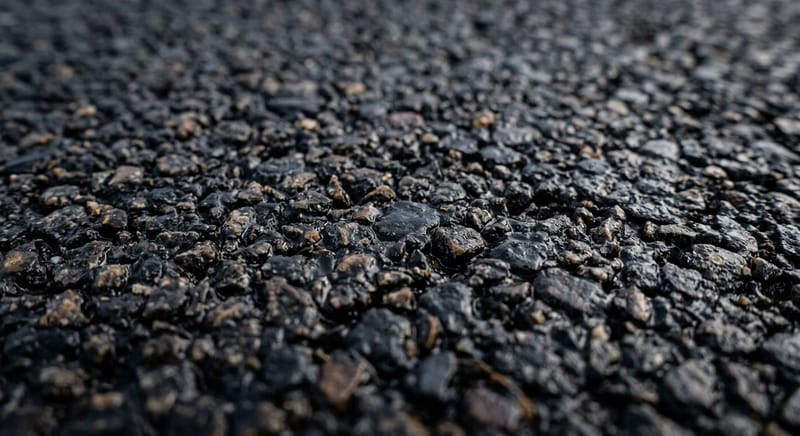
Additionally, the intense ultraviolet exposure during Modesto summers accelerates the oxidation of the asphalt binder, turning the pavement from a flexible black surface to a brittle gray one. Routine seasonal parking lot maintenance replenishes these essential oils, restoring the pavement's flexibility and its ability to bear heavy loads without fracturing.
Core Requirements for Effective Seasonal Parking Lot Maintenance
Executing proper seasonal parking lot maintenance requires strict adherence to technical specifications and a highly methodical approach to surface preparation. The process begins with comprehensive debris removal and aggressive mechanical sweeping, as any organic matter, dust, or automotive fluids left on the surface will prevent new materials from bonding. This critical preparation phase is often handled by dedicated overnight crews, operating similarly to a Maintenance O/N Position, ensuring the surface is entirely clean and prepped before daytime traffic returns. Following surface preparation, technicians perform crack routing, which involves mechanically widening existing fissures to create a uniform, clean reservoir for the sealant to grip.
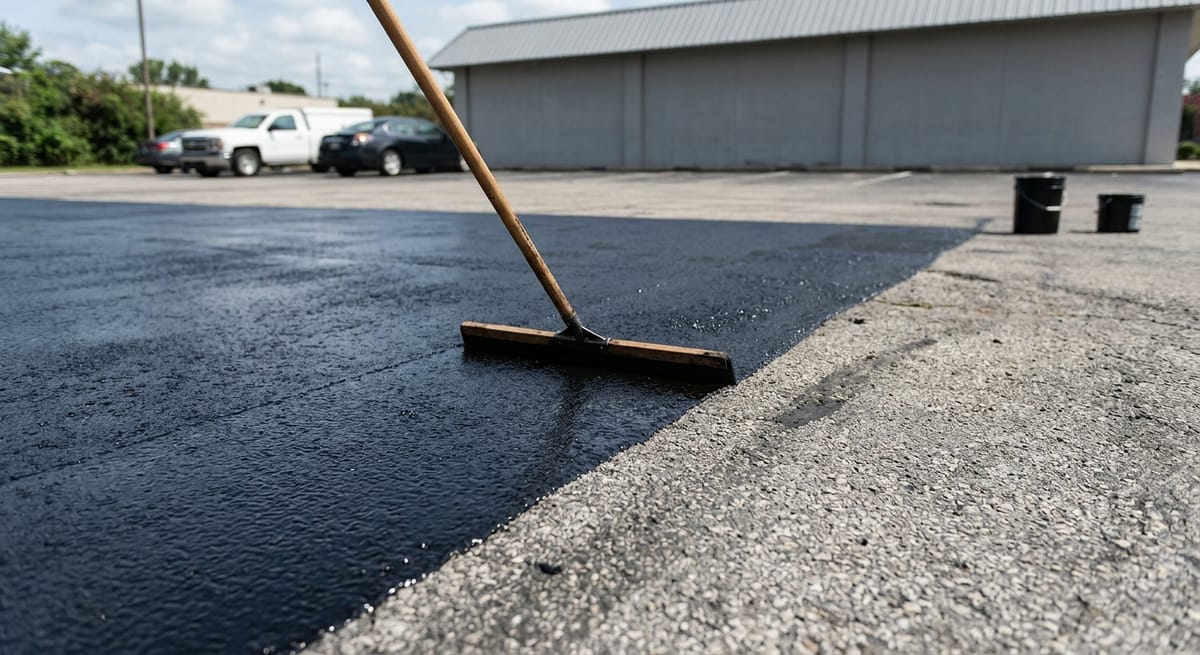
For the sealing phase, professionals use hot-pour rubberized crack sealant rather than the cold-pour products available at retail hardware stores. Hot-pour materials expand and contract with the pavement during Modesto temperature shifts, maintaining a watertight bond under heavy stress. The application of the surface sealcoat must align precisely with the Caltrans Standard Specifications for Asphalt Concrete, which dictates the exact mixture of aggregate, asphalt emulsion binder, and water. A high-quality seasonal parking lot maintenance application will feature a uniform thickness, perfectly straight edge lines, and complete coverage without any pooling in low areas.
Conversely, poor workmanship is immediately evident when sealcoat tracks onto adjacent concrete sidewalks, peels away in large flakes within months, or traps moisture beneath the surface. Moisture entrapment is a common failure point that occurs when contractors apply sealcoat over damp asphalt or fail to allow proper curing time between coats. When seasonal parking lot maintenance is performed incorrectly, the trapped moisture accelerates sub-base failure, leading directly to alligator cracking and eventual potholes. By strictly following Caltrans guidelines and utilizing commercial-grade materials, practitioners ensure the pavement is preserved correctly. Proper seasonal parking lot maintenance extends the life expectancy of the asphalt significantly, provided the underlying base remains structurally sound and free of water damage.
5 Essential Steps to Prepare Your Commercial Lot for Changing Seasons
The first step in preparing for seasonal parking lot maintenance involves a thorough visual assessment and meticulous documentation of the current pavement condition before any physical work begins. Property managers must walk the entire surface to identify and photograph specific defects, paying close attention to alligator cracking, areas of standing water, and faded pedestrian crosswalks. Documenting these issues with clear photographs and written notes establishes a baseline condition that is essential for insurance records and municipal compliance tracking. This visual record ensures that any subsequent seasonal parking lot maintenance addresses the actual structural needs of the facility rather than just applying a cosmetic topcoat over failing base layers.
Following the initial assessment, property owners must verify local council regulations and permit requirements for seasonal parking lot maintenance in Modesto. Certain types of extensive repair, particularly those altering existing drainage patterns or modifying accessible parking stalls to meet current codes, may require formal approval from the city planning department. Information regarding these specific permits is typically available through the official municipal website or the local building authority office. Failing to check these requirements before commencing seasonal parking lot maintenance can result in immediate stop-work orders or severe financial penalties. Because permit processing times in Modesto can vary based on the season, verifying these details early prevents costly delays in the project timeline.
Once the scope of work and permit requirements are completely clear, the next phase is soliciting detailed quotes from qualified contractors for the required seasonal parking lot maintenance. A comprehensive quote must specify the exact materials being used, including the specific grade of hot-pour crack sealant, the application rate of the sealcoat emulsion, and the mechanical preparation methods included in the price. If a proposal for seasonal parking lot maintenance omits these technical specifications or simply lists a vague bulk price, it often signals substandard quality or dangerous corner-cutting. Property managers should obtain at least three detailed proposals to compare the technical approach and material quality directly, rather than making a decision based solely on the lowest bottom-line cost.
After reviewing the proposals, it is absolutely imperative to verify the credentials and licensing of the contractors bidding on the seasonal parking lot maintenance project. In California, contractors performing this type of structural pavement work must hold a valid C-12 Earthwork and Paving Contractor license issued by the state licensing board. Property managers should actively check the official state license register online to confirm the license is currently active and free of any disciplinary actions or suspensions. Furthermore, confirming that the contractor carries adequate general liability insurance and workers compensation coverage protects the property owner from devastating financial liability if an accident occurs during the seasonal parking lot maintenance operations.
Planning the execution of seasonal parking lot maintenance requires careful consideration of time-sensitive environmental factors and local Central Valley weather patterns. Ambient temperatures and surface moisture directly impact how well commercial sealants and asphalt coatings cure and bond to the existing surface. Applying materials during periods of high humidity, impending rain showers, or extreme afternoon heat can cause the products to fail prematurely, leading to severe tracking or delamination. Coordinating the seasonal parking lot maintenance schedule to align with dry, moderate weather windows ensures the materials bond correctly and achieve their maximum intended lifespan, preventing the need for immediate and costly rework.
Finally, property managers must recognize the distinct threshold between minor facility upkeep and situations where professional seasonal parking lot maintenance is absolutely non-negotiable. While a property owner might safely handle basic debris sweeping or minor cold-patching in a temporary emergency, structural repairs like hot-pour crack sealing, extensive sealcoating, and ADA-compliant restriping require specialized heating equipment and licensed expertise. Attempting DIY repairs on significant structural defects can void existing material warranties, violate local building codes, and ultimately cost significantly more when the improper fix fails under traffic. Engaging a licensed professional for comprehensive seasonal parking lot maintenance ensures the property remains safe, legally compliant, and structurally sound for years to come.
Navigating California Paving Compliance and Contractor Standards
Compliance with state and local regulations is a foundational element of any commercial paving project, dictating exactly how materials must be applied and how sites must be managed. In California, performing structural pavement work requires a specific C-12 Earthwork and Paving Contractor license, which ensures the operator understands state-mandated grading, compaction, and material handling standards. Engaging unlicensed operators for seasonal parking lot maintenance exposes the property owner to significant legal and financial risks that far outweigh any initial cost savings. Substandard work often leads to immediate ADA accessibility violations, which carry heavy financial fines and invite potential litigation from facility users who cannot safely navigate the premises. Furthermore, improper grading or sealing can create severe hazards, such as pooling water that degrades the base or compromised fire lanes that block emergency access. Reports such as About 100 Vehicles Burn in Salvage Yard in Modesto, CA highlight the critical importance of maintaining clear, compliant, and structurally sound access routes for heavy emergency vehicles at all times.
When seasonal parking lot maintenance is executed poorly, the resulting structural damage can completely void property insurance claims and nullify manufacturer warranties on the paving materials. To avoid these disastrous scenarios, property managers typically enroll in structured Parking Lot Maintenance Programs that ensure all work consistently meets the stringent California Contractors State License Board standards. These structured programs often include routine preventative maintenance inspections designed to catch minor surface defects before they escalate into major compliance failures or require deep base repairs. Additionally, establishing a relationship with a licensed contractor ensures that any necessary Commercial Asphalt Repair Resurfacing is documented properly for municipal inspectors. By prioritizing licensed, standard-compliant seasonal parking lot maintenance, commercial facilities protect their massive infrastructure investment and maintain a safe, accessible environment for all visitors and employees.
Frequently Asked Questions
How much does a parking lot cost to maintain?
The cost to maintain a commercial parking area in Modesto depends heavily on the total square footage, the current condition of the asphalt, and the specific technical services required. Routine seasonal parking lot maintenance, which typically includes mechanical sweeping, hot-pour crack sealing, and a standard commercial sealcoat application, generally ranges from $0.15 to $0.25 per square foot. However, if the surface requires extensive pothole patching, ADA compliance upgrades, or deep base repairs, the overall expenditure will increase significantly. Establishing a proactive annual budget for these services prevents larger, unexpected capital expenses and extends the life of the pavement.
How often does a parking lot need to be resealed?
For optimal preservation in the California climate, a commercial asphalt surface should generally be resealed every three to five years. This timeframe can shift based on the volume of daily traffic, the weight of the commercial vehicles using the facility, and the severity of local weather cycles in the Central Valley. Implementing routine seasonal parking lot maintenance allows professionals to monitor the wear of the sealcoat accurately. Applying a new coat too frequently can cause the material to build up, crack, and peel, while waiting too long exposes the raw asphalt to damaging oxidation and water intrusion.
How much to charge for parking lot cleaning?
Professional sweeping and debris removal services in the Central Valley typically charge based on the size of the facility and the frequency of the scheduled visits. A single, comprehensive cleaning session for a standard commercial lot might range from $75 to $150 per visit, depending on the equipment required. When integrated into a broader seasonal parking lot maintenance contract, these costs are often optimized for the property owner. Regular cleaning is absolutely essential because accumulated dirt, gravel, and automotive fluids degrade the asphalt binder over time and prevent sealants from adhering properly during repair work.
What is the life expectancy of an asphalt parking lot?
A properly installed commercial asphalt pavement can last between 20 and 30 years before requiring a complete full-depth reconstruction. Achieving this maximum lifespan relies entirely on the quality of the initial sub-base compaction and the consistency of ongoing structural upkeep. Facilities that adhere to a strict schedule of seasonal parking lot maintenance, addressing cracks immediately and replenishing the sealcoat as needed, routinely reach the upper end of this life expectancy. Neglected surfaces, conversely, often suffer catastrophic base failures within the first decade of use, requiring premature and costly replacement.
How often should a parking lot be repaved?
Complete repaving or resurfacing is typically required every 15 to 20 years, assuming the property has received adequate care throughout its operational life. Repaving becomes necessary when the asphalt exhibits widespread alligator cracking, severe surface rutting, or base layer instability that simple patching cannot resolve. Consistent seasonal parking lot maintenance significantly delays the need for repaving by protecting the structural integrity of the pavement from water damage. When more than a third of the surface area requires deep patching, property managers should consult a licensed paving contractor to evaluate comprehensive resurfacing options.
Conclusion
Effective seasonal parking lot maintenance is a critical operational responsibility that directly impacts the safety, legal compliance, and long-term longevity of commercial properties in Modesto. By understanding how local Central Valley climate cycles affect asphalt and adhering to strict California paving standards, facility managers can prevent minor surface wear from escalating into costly structural failures. The temporary closures seen in municipal projects demonstrate that proactive scheduling and proper site management are essential for achieving high-quality, durable results. The most practical next step is to conduct a thorough visual inspection of your pavement today, documenting any visible cracking or drainage issues before the next major weather shift arrives.
More Parking Lot Maintenance Programs Services at HF Asphalt Paving Modesto
For more information about Parking Lot Maintenance Programs services at HF Asphalt Paving Modesto, explore the pages below:
- Parking Lot Paving Installation
- Parking Lot Striping Pavement Marking
- Ada Compliance Accessibility Paving
- Commercial Industrial Asphalt Paving
- Parking Lot Maintenance Programs
- Commercial Asphalt Repair Resurfacing
- Site Grading Drainage For Commercial Properties
- Residential Driveway Paving
- Driveway Resurfacing Repair
- Residential Sealcoating Crack Repair